GLP-1 Shots vs. Pills: Convenience or Better Weight Loss Which Should You Choose?
GLP-1 medications have changed the way many Americans approach weight loss. Used to be mainly for type 2 diabetes, these medications are now helping huge numbers of people lose weight and generally feel better. As more options keep showing up, there is one question that pops up pretty often: Should you pick a weekly GLP-1 shot or a daily pill?
The right call usually depends on what you’re trying to achieve, how you live day to day, and what your clinician recommends based on your situation. In general, injections tend to lead to more noticeable weight loss, but tablets feel easier for some people since there’s no need for routine dosing.
Before you decide, it helps to understand a few key points.
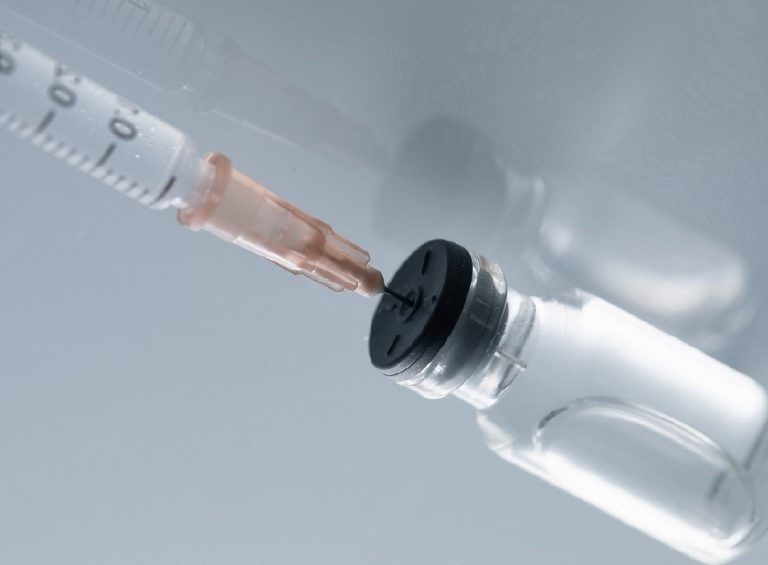
What Are GLP-1 Medications?
GLP-1, short for glucagon-like peptide-1, receptor agonists act like a natural messenger hormone your body releases after you eat. They tend to work by:
- Turning down appetite
- Helping you stay satisfied longer
- Slowing how fast the stomach empties
- Supporting steadier blood sugar
- Lowering food cravings
When paired with sensible nutrition and regular movement, these medications can help with meaningful weight reduction over time and not just quick changes.
GLP-1 shots and how they work
GLP-1 injections are taken about once a week, usually with a prefilled injection pen. Oddly enough, a lot of people think it’s simpler than they expected, mainly because the needle is tiny and made for self-use. The whole thing feels more “routine” once you get the hang of it, even if the first time had a bit of nerves involved.
Some of the popular injectable GLP-1 medications are:
- Ozempic® (semaglutide)
- Wegovy® (semaglutide)
- Mounjaro® (tirzepatide)
- Zepbound® (tirzepatide)
Why people consider GLP-1 shots
- They usually lead to more weight loss than older approaches
- The weekly schedule helps since remembering it is easier.
- Appetite control often gets strong pretty fast.
- There’s a large amount of clinical research backing results.
- Many people see better blood sugar, plus other metabolic markers
What to watch out for
- Some individuals just don’t like sugar, plusions, period.
- The price can be steep if you don’t have insurance coverage.
- During dose increases, digestive side effects are pretty common.
- Every so often, medication shortages can pop up
GLP-1 Pills: How They Work
Oral GLP-1 medications allow patients to receive treatment without injections. Currently, oral semaglutide is available for diabetes, while additional oral weight-loss medications are being developed and studied.
Unlike injections, these pills must be taken carefully.
Typically, patients should:
- Take the pill first thing in the morning
- Use only a small amount of water.
- Wait at least 30 minutes before eating, drinking, or taking other medications.
Following these instructions helps in the medication properly.
Benefits of GLP-1 pills
- No injections needed, which is kind of nice.
- Easy to pack and travel with, without the hassle
- A solid alternative for people who feel uncomfortable with needles or just hate them
- It can fit naturally into many everyday routines without much rearranging.
Possible downsides
- You have to take it every day
- The timing stuff really matters, so consistency is a must.
- Weight loss may come out more modest compared with injections.
- If you miss doses, the results can weaken.
Which option leads to more days? Weight loss?
For many patients, GLP-1 injections currently produce greater average weight loss than oral medications.
Clinical studies have shown that weekly injectable medications such as semaglutide and tirzepatide can help many adults lose 15% to over 20% of their body weight when combined with lifestyle changes.
Oral GLP-1 medications are effective as well, but current evidence suggests their average weight-loss results are generally lower than those achieved with the newest injectable therapies.
That does not mean pills are ineffective. Many patients still experience meaningful weight loss, especially when they remain consistent with treatment and healthy habits.
Convenience: Shots vs. Pills
Convenience looks different for everyone.
Weekly Injections Might Be a Better Fit If You:
- I would take your medication once a week, not more often.
- Like having fewer daily “check-ins” or reminders
- Travel a lot for work or life
- Want the most intense weight-loss pathway that’s available right now
Daily Pills Might Be a Better Fit If You:
- don’t want needles at all
- I want to take other medications every morning.
- prefer something you can swallow rather than inject
- Can stick to the schedule and dosing directions consistently and without missing doses
Your day-to-day routine can matter just as much as what medication you choose.
Side Effects
Both GLP-1 shots and GLP-1 pills can bring similar side effects, mainly because they tend to act in comparable ways.
Some common side effects include
- Nausea
- Vomiting
- Diarrhea
- Constipation
- Stomach discomfort
- Reduced appetite
The good news is that these issues often fade or improve after your body adjusts to the treatment.
Most clinicians usually begin at a lower dose and then slowly increase it so the side effects are less intense.
Cost Considerations
Cost really can tilt the decision.
Without insurance, a lot of GLP-1 options can end up costing several hundred dollars, sometimes even over $1,000 each month. At Orlando Weight Loss, we think effective medical weight loss ought to be a bit more reachable. That’s why we do transparent pricing, starting at only $100 per week (or $399 per month, for any dose) with no sneaky fees and no long-term contracts. Your plan includes doctor supervised care, weekly medication, custom vitamin booster shots and advanced 3D body composition scans … all aimed at helping you reach safer, steady weight loss.
That said, many people bring their cost down using:
- Insurance coverage
- Savings programs from the manufacturer
- HSA or FSA funds (if you qualify)
- Medical weight-loss clinics that set up more of the following affordable treatment packages
Before you commit to anything, it’s smart to ask for the full monthly cost, the plan for follow-up appointments, and what savings or support options might be available.
Who Is a Good Candidate?
GLP-1 therapy could make sense for adults who:
- Have obesity (BMI of 30 or higher)
- Have overweight (BMI of 27 or higher) and also have weight-related health problems
- Already tried diet and exercise but still struggled
- Want a medically supervised and structured weight-loss approach
A healthcare provider can help match the right option to your medical history and your goals, step by step.
Already Choose Between GLP-1 Shots and Pills
There is no one-size-fits-all answer.
Ask yourself:
- Do I prefer weekly treatment or daily medication?
- Am I comfortable with injections?
- How important is maximum weight loss?
- Can I consistently follow pill instructions?
- What does my insurance cover?
- What does my healthcare provider recommend?
The best treatment is often the one you can safely use consistently over time.
Final Thoughts
Both GLP-1 shots and pills can help people lose weight and improve metabolic health. If your primary goal is maximum weight loss, weekly injections currently have the strongest evidence and generally deliver better results.
However, if convenience means avoiding injections and you can follow a daily routine, oral GLP-1 medications may still be an excellent option.
The right choice kind of depends on your lifestyle, budget, medical history, and also your long-term commitment. If you work with an experienced healthcare provider, you basically get a custom treatment approach that can help you keep lasting success over time, not just in the beginning.
Frequently Asked Questions
1.Are GLP-1 shots more effective than pills for weight loss?
In most clinical studies, weekly GLP-1 injections have shown more average weight loss than the oral GLP-1 medications that are currently available.
2.Do GLP-1 injections hurt?
Most people say they feel very little discomfort; the needle is small, and the whole injection is usually done in just a few seconds.
3. Can I switch from GLP-1 pills to injections?
Yes. Many patients make the switch with their healthcare provider’s help, especially if they want more weight loss or they like weekly dosing better.
4. Which option has fewer side effects?
Both forms commonly cause similar stomach and digestion problems. Of course, each person is different, and symptoms often ease up after the first few weeks.
5. Are GLP-1 pills easier to take?
They remove the need for injections, but you still have to be very consistent. You need to take them on an empty stomach with a small amount of water and then wait before eating or even drinking.
6. Which GLP-1 option is best for me?
The best choice really depends on your weight loss intentions, your medical history, insurance coverage, daily routine, and what you personally prefer. A healthcare provider can help you figure out what’s safest and most effective for your situation.