GLP-1s and Alcohol: What Changes and Why Many Patients Drink Less
You start a GLP-1 medication to lose weight. Then something odd happens. That glass of wine after work doesn’t sound as appealing anymore. Your usual two beers on Saturday turn into one, or none.
You’re not imagining it. Many patients on semaglutide and Tirzepatide report the same thing. Scientists are now asking why.
Let’s break down what we know, what we don’t, and how to stay safe if you still enjoy a drink.
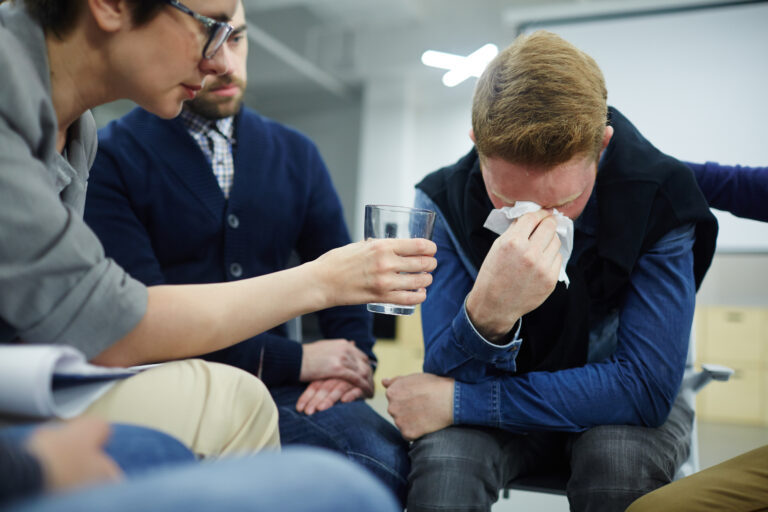
The Surprising “Side Effect” That Patients Keep Discussing
Most people start a GLP-1 to quiet their hunger. However, many also notice a drop in their interest in alcohol. Some call it “alcohol noise” going quiet, much like “food noise.”
Patients often describe it in simple ways:
- “I forgot to order a drink at dinner.”
- “One glass feels like enough.”
- “I just don’t crave it like I used to.”
Of course, these are personal stories, not proof. Still, they match what researchers are starting to see in the lab and in early studies.
Why Might GLP-1s Change Your Relationship With Alcohol?
GLP-1 medications mimic a natural hormone that helps control blood sugar and appetite. But this hormone doesn’t only act in your gut. It also acts in the brain.
Here is what researchers think may be happening.
- The reward system calms down. Alcohol triggers dopamine, the “feel-good” chemical in your brain’s reward pathway. GLP-1 receptors are found in these reward areas. As a result, the “buzz” from a drink may feel less rewarding.
- Cravings may shrink. Animal studies show that GLP-1 drugs reduce alcohol intake. In addition, early human research points the same way. A small clinical trial of people with alcohol use disorder found that semaglutide cut heavy drinking days. Larger studies are still underway.
- Your body feels different. GLP-1 agonists reduce the speed of digestion and increase satiety. The alcohol intake becomes more cumbersome with a fuller stomach. That is why many patients just do not like it.
- Habits shift naturally. When you eat smaller meals and think more about your health, your routines change too. Happy hour may lose its pull.
Keep in mind that research is still new. Scientists don’t yet know exactly how strong this effect is or who benefits most.
What Patients Often Notice
Everyone responds differently. Even so, here are common changes people report after starting a GLP-1:
- Fewer cravings for beer, wine, or cocktails
- Lower tolerance, meaning the same drink hits harder
- Quicker fullness, so it’s harder to finish a drink
- Stronger next-day effects, such as nausea or fatigue
- Less interest in drinking socially
Meanwhile, some patients notice no change at all. That’s normal too.
The Risks: Why Alcohol and GLP-1s Need Caution
Cutting back sounds like good news. Still, mixing alcohol with a GLP-1 can cause problems. Here’s what to watch for.
Stronger nausea and vomiting. GLP-1s can already upset your stomach. Alcohol is also a stomach irritant. Together, they may make nausea much worse.
Dehydration. They can cause dehydration as well as dizziness and weakness, particularly because of the hot weather in Florida.
Low blood glucose. Low blood glucose is not usually seen when taking GLP-1s alone.
Nevertheless, it is a possibility when used together with insulin or other diabetes medications. The probability of this side effect also increases when you drink alcohol, especially without food in your stomach.
Pancreatitis. This condition is uncommon but serious; excessive alcohol consumption is its known cause. Since pancreatitis is listed among side effects on the label, you should consider discussing your drinking habits with your healthcare provider.
Drunk feeling. If your appetite and food intake decreased, you could get intoxicated more quickly.
Empty calories and slower progress. Alcohol has calories but little nutrition. Moreover, it can lower your inhibitions and lead to late-night snacking.
Smart Tips for Drinking on a GLP-1
If you choose to drink, a little planning goes a long way. Try these steps:
- Start small. Have half your usual amount and see how you feel.
- Never drink on an empty stomach. Eat a protein-rich meal first.
- Sip water between drinks. This helps with hydration and pacing.
- Skip sugary mixers. Choose soda water with lime instead.
- Avoid drinking on injection day if you tend to feel nauseated.
- Know your limits. Your tolerance may be lower now.
- Listen to your body. If a drink makes you feel sick, stop.
In addition, be extra careful in the first few weeks and after any dose increase. That’s when side effects are strongest.
Can GLP-1s Treat Alcohol Use Disorder?
This is a hot topic, and it deserves a clear answer. Right now, no GLP-1 medication is FDA-approved to treat alcohol use disorder. The early research is promising, but it’s still early.
If you struggle with drinking, please don’t rely on weight loss medication alone. There are treatments that have been proven to work, such as counseling, support groups, and various medications that have been approved.
Frequently Asked Questions
1.Can I drink alcohol while taking semaglutide or Tirzepatide?
Many people can have an occasional drink, but it isn’t risk-free. Alcohol may worsen side effects like nausea. Ask your provider what’s safe for your health and dose.
2. Why do I want to drink less on a GLP-1?
GLP-1s act on brain reward pathways as well as appetite. Therefore, alcohol may feel less rewarding. Researchers are still studying this effect.
3. Will GLP-1s make me get drunk faster?
Some patients say yes. Eating less and feeling full sooner can change how your body handles alcohol. Start with a smaller amount to be safe.
4. Does alcohol slow down weight loss?
It can. Alcohol adds calories, affects sleep, and may increase late-night eating. Cutting back often helps you reach your goals faster.
5. Are GLP-1s approved to treat alcohol addiction?
No, not yet. Studies are ongoing. If you’re worried about your drinking, talk to a healthcare professional about proven treatment options.
6. Should I stop drinking completely on a GLP-1?
Not necessarily. Still, it’s a good time to check in with yourself. Some patients choose to cut back or quit because they feel better without alcohol.
Conclusion
GLP-1s may do more than help you lose weight. For many patients, they also quiet the urge to drink. Science is exciting, but it’s still growing.
In the meantime, be smart. Eat first, stay hydrated, drink less, and talk openly with your provider. After all, your medication plan should fit your whole lifestyle, not just the number on the scale.