Why Diet and Exercise Alone Fail for 80% of People (Backed by Science)
You’ve probably heard this advice a thousand times:
“Just eat less and move more.”
Sounds simple, right?
Yet, for most people, it doesn’t work.
In fact, studies show that nearly 80% of people regain lost weight within a few years. So clearly, the problem isn’t a lack of effort. Instead, something deeper is going on.
Let’s break down why diet and exercise alone often fail and what actually works.
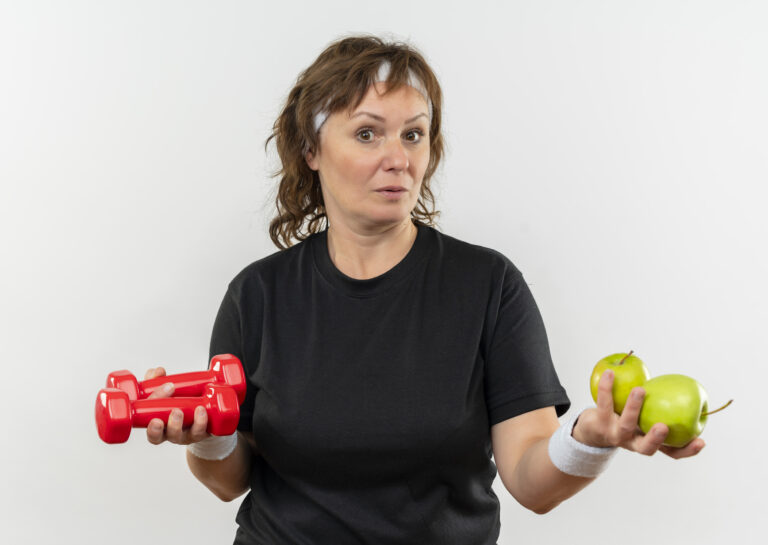
- Your Body Fights Back (Biological Resistance)
First of all, your body is not designed to lose weight easily.
When you cut calories, your body reacts as if you’re in danger. As a result, it slows down your metabolism to conserve energy.
This process is known as adaptive thermogenesis.
In simple terms:
- You eat less
- Your body burns fewer calories
- Weight loss slows down or stops
At the same time, hunger hormones increase, while fullness hormones decrease.Consequently, you feel hungrier than ever.So, it’s not just “lack of discipline.”Your biology is literally working against you.
- Hormones Play a Bigger Part Than You Think
Next, let’s talk about hormones.
Weight loss isn’t only about calories. It’s also about how your hormones respond to food, stress and sleep.
For illustration
- Insulin affects fat storehouses
- Cortisol (the stress hormone) promotes belly fat
- Leptin and ghrelin are peptides that control hunger and give us the feeling of being full
When these hormones are out of balance, your body tends to store fat indeed, even if you’re eating less.
Moreover, poor sleep and chronic stress make this worse. Therefore, even strict diets can fail if hormones are ignored.
- Not All Calories Are Equal
Another common myth is that “a calorie is just a calorie.”
However, your body processes different foods in very different ways.
For instance:
- 200 calories from sugar spike insulin quickly
- 200 calories from protein keep you full longer
As a result, the type of food you eat directly affects your hunger, energy levels and fat storage.
In addition, highly processed foods are designed to be addictive. Because of this, they often lead to overeating without you even realizing it.
- Exercise Alone Doesn’t Burn Enough Calories
Many people believe that working out will “cancel out” a bad diet.
Unfortunately, that’s not how it works.
For example:
- A 30-minute workout may burn 200–300 calories
- A single fast-food meal can easily exceed 800 calories
Therefore, it becomes very easy to eat more than you burn.
Also, after exercise, people frequently feel hungrier. As a result, they may intentionally eat back the calories they just burned.
So while exercise is essential for health, it is not enough on its own for weight loss.
- The “All-or-Nothing” Mindset Fails
Another major reason people struggle is mindset.
Numerous diets promote extreme restriction
- Cutting entire food groups
- Eating very low calories
- Following rigid mess plans
At first, this may work. However, over time it becomes difficult to maintain.
Eventually, one small slip leads to:
“I already messed up might as well quit.”
Because of this cycle, people often regain the weight and sometimes even more.
- Weight Loss Is Not One- Size- Fits All
What works for one person may not work for another
This is because every existent has
- Different metabolism
- Different genetics
- Different life habits
For instance, two people can follow the same diet and get fully different results.
Thus general diet plans frequently fail because they don’t address particular requirements.
- Emotional Eating Is Ignored
Let’s be honest, food isn’t always about hunger.
Occasionally, it’s about
- Stress
- Boredom
- Anxiety
- Comfort
This is called emotional eating and it plays a huge part in weight gain.
Even if your diet is “perfect,” emotional triggers can lead to overeating.
As a result, ignoring this factor makes long-term success almost impossible.
- Short term diets Don’t Produce Long-Term Habits
Most diets concentrate on quick results.
Still, Most rapid-fire weight loss frequently comes from
- Water loss
- Muscle loss
Not sustainable fat loss
Also, once the diet ends, old habits return.Consequently, the weight comes back.
That’s why consistency beats intensity every time.
So, What Actually Works?
Now that we understand the problem, let’s talk about the result.
Rather than only on diet and exercise, a more effective approach includes
- Sustainable Eating Habits
- Sustainable Eating Habits
Focus on balance, not restriction.
Choose whole foods but allow inflexibility.
- Strength Lifestyle Movement
- Strength Lifestyle Movement
Exercise should support your body, not discipline it.
Include strength training and daily activity.
- Hormone and Metabolic Support
Prioritize sleep, manage stress, and eat nutrient-rich foods.
- Gesture and Mindset Changes
Figure out habits that last.
Avoid extreme “all-or-nothing” thinking.
- Substantiated Approach
Find what works for your body, not someone else’s.
Final Thoughts
Diet and exercise are important but they are only part of the picture.
If you’ve struggled to lose weight, it’s not because you failed. Instead, it’s because the traditional approach is incomplete.
When you understand how your body truly works, everything changes.
So rather than chasing quick fixes, concentrate on building a system that supports your biology, your habits and your life.
Because real results don’t come from doing further
They come from doing what actually works